
Articles
Pure Sine Wave Inverter Guide: 12V, 24V & 48V Options Explained
23 Jun 2026
Share article
When powering sensitive electronics away from the grid, the quality of your AC output matters more than most people realize. A pure sine wave inverter delivers a smooth, continuous waveform that is virtually identical to what comes out of a standard wall outlet — making it the preferred choice for laptops, medical devices, audio equipment, variable-speed appliances, and solar backup systems.
What Is a Pure Sine Wave Inverter?
A sine wave inverter converts DC electricity — from a battery bank, solar array, or vehicle system — into AC electricity with a clean sinusoidal waveform. Unlike modified sine wave designs, it produces output with very low total harmonic distortion (THD), meaning appliances run cooler, more efficiently, and without the audible buzz that cheaper inverters often introduce.
Choosing the Right Voltage: 12V, 24V, or 48V
The DC input voltage determines which system the inverter integrates with:
12V — Ideal for vehicles, boats, and small off-grid setups. Widely compatible with standard lead-acid or lithium batteries.
24V — A popular middle ground for RVs and medium-sized solar installations. Allows thinner wiring runs versus 12V at the same power level.
48V — The preferred voltage for larger home battery systems and commercial solar. Reduced current draw means less heat loss and higher overall system efficiency. Key Specs to Check Before Buying
Before selecting a model, compare these parameters:
- Continuous power rating (watts) — This is what the inverter can sustain indefinitely. Size it to your largest expected load.
- Peak/surge power — Motors and compressors draw 2–3× their rated wattage at startup. Confirm the inverter's surge capacity covers this.
- Conversion efficiency — Look for models rated above 90%. The difference between 88% and 95% efficiency adds up significantly over a solar season.
- Output voltage and frequency — Most markets use 110V/60Hz (North America) or 220–240V/50Hz (Europe, Australia). Quality inverters allow you to select both.
- Protection features — Over-voltage, under-voltage, short-circuit, overload, and over-temperature protection should all be standard. Pure Sine Wave vs. Modified Sine Wave
Modified sine wave inverters cost less upfront but carry real hidden costs. Appliances running on a modified wave can consume up to 30% more power, generate excess heat, and shorten their own lifespan. Audio devices may produce interference noise; some motor-driven tools simply refuse to run correctly. For anything beyond the most basic resistive loads, a pure sine wave unit is the better long-term investment.
Applications
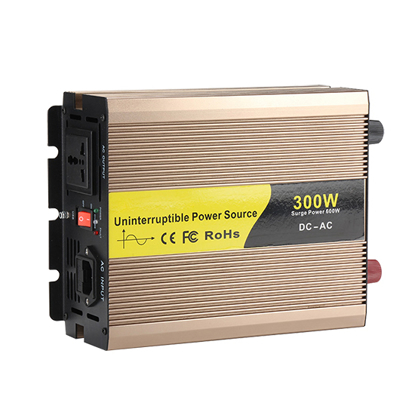
Pure sine wave inverters are used across a wide range of settings: residential solar backup, off-grid cabins, marine vessels, food trucks, emergency preparedness kits, and mobile work vehicles. A pure sine wave UPS inverter variant adds automatic switchover from grid power to battery — providing uninterruptible power for computers, routers, and critical home systems.
For a full selection of 12V, 24V, and 48V models — including pure sine wave UPS variants — browse the range at Inverter.com. Units with configurations available for both North American and international voltage standards.
Article tags
Advertisement


Advertisement
