
Articles
Ignite Your Adventure Spirit: Climbing Island Peak in Nepal
30 Jan 2026

Share article
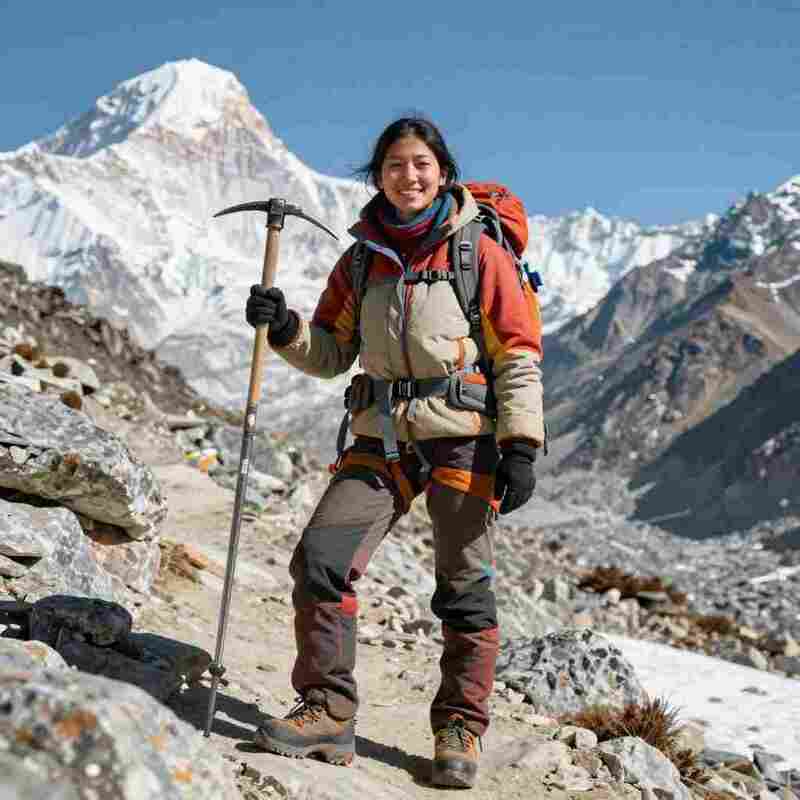
The wind bites your face, your heart races, and snow stretches as far as the eye can see. This is the thrill of island peak climbing—an adventure that tests your courage, stamina, and determination. Standing atop Island Peak, also known as Imja Tse, gives you an unforgettable view of the Himalayas, including Mount Everest, Lhotse, and Ama Dablam. This trek and climb combine the beauty of Nepal’s mountains with the excitement of high-altitude adventure.
Why Island Peak Climbing is Special
Island Peak is a favorite among climbers looking for their first high-altitude summit. At 6,189 meters (20,305 feet), it is challenging but achievable for trekkers with proper training and guidance. Unlike Everest, Island Peak requires basic mountaineering skills such as using crampons, ropes, and ice axes, making it an ideal introduction to Himalayan climbing.
Beyond the physical challenge, this trek is a cultural journey. You pass through traditional Sherpa villages like Namche Bazaar, Pangboche, and Dingboche. Local monasteries, prayer flags, and welcoming tea houses provide a glimpse into Himalayan life and give you energy and warmth along the way.
Trek Facts and Figures
The Island Peak climbing adventure usually lasts 12 to 14 days, covering a total distance of about 70–75 kilometers (43–46 miles) from Lukla to the summit and back. The highest point, Island Peak, stands at 6,189 meters, while the trek itself ranges between 2,860 meters (Lukla) and 5,100 meters (base camp). Moderate acclimatization days are included to reduce the risk of altitude sickness, making the climb safer and more enjoyable.
Highlights Along the Route
One of the most magical aspects of Island Peak climbing is the views. The trail passes through the Khumbu Valley, where towering peaks rise dramatically above glacial rivers. Ama Dablam, often called the “Matterhorn of the Himalayas,” dominates the skyline, while Everest and Lhotse appear in the distance as constant companions.
Each village along the route offers cultural and culinary delights. Taste local foods like dal bhat and momos, enjoy the warm hospitality of Sherpa families, and witness traditional festivals if your trek aligns with local events. The blend of natural beauty and rich culture makes the journey unforgettable.
The Summit Experience
Reaching the top of Island Peak is a moment of triumph. The final climb involves steep snow and ice slopes, requiring careful navigation with ropes and crampons. At the summit, the panorama stretches across the Himalayas, with peaks glittering in the sun and valleys far below. The sense of accomplishment is unmatched—your effort and preparation are rewarded with one of the most stunning views on Earth.
Descending safely is as important as the climb itself. Guides ensure proper techniques are used on icy slopes, making the return journey manageable. Celebrating at base camp afterward with fellow trekkers is a moment filled with laughter, stories, and shared memories.
Why You Should Go
Island Peak climbing is more than a physical challenge—it is a journey that inspires courage, resilience, and a love for the mountains. The combination of breathtaking scenery, cultural encounters, and the thrill of summiting a Himalayan peak makes this trek an unforgettable adventure. For anyone ready to ignite their adventure spirit, Island Peak offers the perfect opportunity to push limits and create memories that last a lifetime.





Advertisement

