
Articles
What Rendering Actually Involves, and Why Tallow Came Back to Skincare Shelves
08 Sep 2026
Share article
Tallow spent most of the last century as a kitchen ingredient and then largely disappeared from both kitchens and bathrooms. Its return to skincare shelves over the past few years has been driven less by marketing than by a fairly plain consumer preference for shorter ingredient lists, and by curiosity about a material that was standard for a very long time before it was replaced.
For anyone encountering it for the first time, the terminology gets in the way. Tallow is rendered beef fat. Rendering means melting raw fat down at low heat over a long period so that everything that is not fat separates out and can be strained away. The process is old and not complicated, but it is unforgiving of shortcuts. Heat applied too quickly scorches the fat and leaves a smell that cannot be filtered back out, which is the single most common reason a poorly made batch smells like what it came from.
Filtering is where quality is decided. Raw fat carries connective tissue and small solids, and any of it left behind will eventually turn and shorten the working life of the finished product. Careful producers strain more than once. What comes out the other side is a firm white block with very little scent of its own, which is why finished balms take their character almost entirely from whatever oils are added afterward.
Whipping is the last step and the most recent one. Rendered tallow in its solid state is dense enough that it takes real effort to warm and spread. Softening it and running it through a mixer works air into the structure until the texture turns light, closer to a soft frosting than to a block of fat. Essential oils are usually added at that stage, once the temperature has dropped far enough that heat will not drive the scent off.
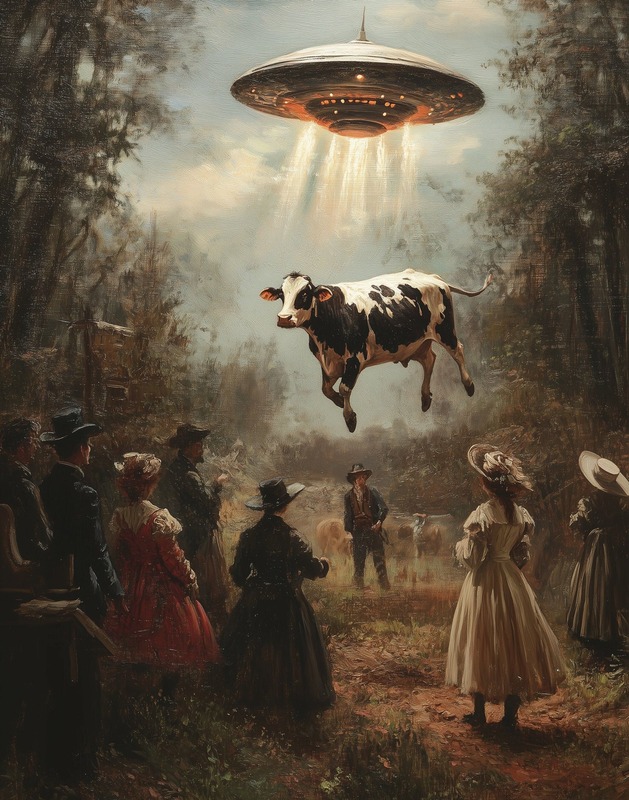
Flying Cow Natural Skincare, a family business started in 2017 by Britney and Joshua Arceneaux, builds nearly everything it sells on that process. The company runs four stores, three in Texas in Midland, Lubbock, and Fredericksburg, and one at 418 Main Street in Franklin, Tennessee, where the tallow on the shelves is whipped in the store rather than shipped in finished. Batches are kept small enough for one person to watch from start to end. More on how they work is at flyingcowtallow.com.
That small scale produces visible variation, and it is worth knowing about before buying. Color shifts slightly between batches depending on the fat. Scent strength moves a little from year to year, since essential oils are agricultural products and harvests differ. Texture changes with room temperature, firming in winter and softening in summer, which surprises people who expect a cosmetic to behave identically in every season. None of it indicates a fault. A product with no water in it and a very short ingredient list has nothing in it to force consistency, and producers working at this scale generally choose to explain the variation rather than engineer it away.
For a first purchase, an unscented option is the most informative place to start, because it shows what the base itself is like without an essential oil blend sitting on top of it.

Advertisement

