
Articles
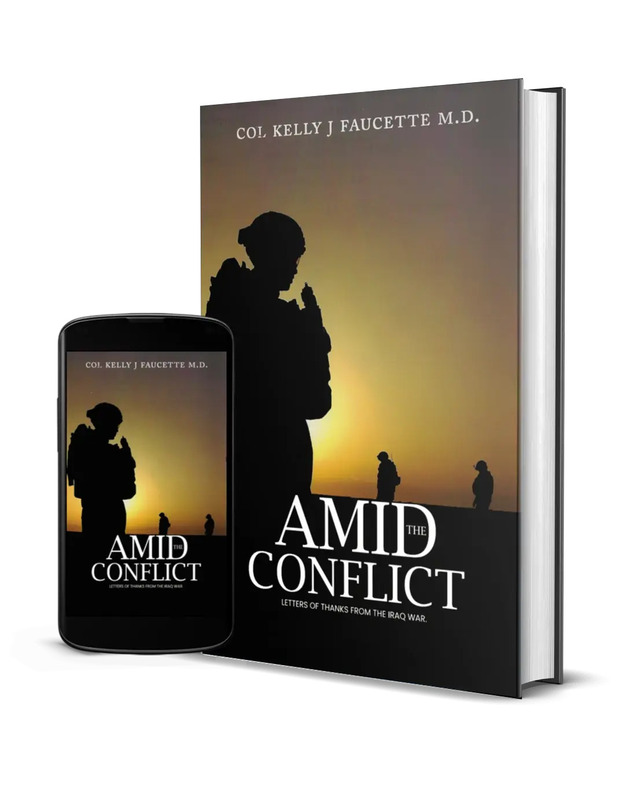
Amid the Conflict: Emotional Iraq War Letters That Reveal Courage and Gratitude
27 Jul 2026
Share article
1. Voices Written in the Midst of War
War is often remembered through dates, strategies, and outcomes but its deepest truth really lives in human voices. The Iraq War, like so many conflicts before it, produced countless personal letters, written by soldiers doctors and civilians trying to make sense of life under extreme pressure, in real time. These emotional Iraq War letters show something statistics never could, courage not as a headline, but as this small daily choice that just keeps happening even when everything shakes. A lot of those letters were drafted in field hospitals , on military bases, and in makeshift shelters. They hold moments that slipped in between the chaos, brief pauses where people tried to name their fear, their duty, and their hope. An American U.S. Army doctor might write about medical steps, yes, but also about the weight of responsibility when you are trying to save lives while rounds are still coming.
2. Courage Beyond Combat: Humanity in Military Medicine
One of the most powerful perspectives in Iraq War correspondence comes from military medical personnel. you know, the kind that is right there, in the middle of everything. A military physician memoir is often not written in a traditional sense during deployment, but more like built from scattered letters and journal entries, kind of pieced together after the fact. In the Iraq War hospital setting, doctors and medics faced constant pressure trauma cases arriving in waves, limited resources, and emotional exhaustion too. Still, in many of those letters, what stands out the most is not fear, but resilience, like really. And even when a day is a mess, the writing keeps returning to what they can do next.
3. Letters of Gratitude from the Frontlines
Amid the conflict, gratitude sort of showed up, and kept showing up again, in a way that felt surprising. Soldiers would write home, thanking their families for emotional support , for the letters and the care packages, the whole thing. In return, families would answer back with gratitude too for safety updates, even when the news was uncertain, or just delayed , as if time itself was doing strange accounting. Some of the most hard-to-hold hospital stories from the Iraq War actually come straight from patients. Soldiers who survived injuries that were life threatening, then they still found the words to send thanks to the doctors and nurses who treated them. Those messages would describe the medical teams as “lifelines” and as “miracles in uniform,” which sounds dramatic , but also pretty accurate. And in plenty of situations, gratitude went beyond just making it through.
4. Legacy of the Letters: Memory, Meaning, and Healing
Today, these Iraq War letters do something beyond just personal communication, somehow. They’ve turned into historical testimony, and emotional archives too, even if that sounds a bit dramatic. For authors, and historians especially, including people working on military physician memoir narratives, these letters become authentic material.They make visible not only hardship, but a kind of steady resilience too, the staying power of gratitude and human connection, even when everything else feels heavy. In the end, these letters show that even in the darkest environments people still write, they still reflect , and they still thank one another. And somehow by doing that, they protect something war can’t fully erase—the shared humanity between those who serve and the ones who wait for them to come back.
Article tags
Advertisement


Advertisement
