
Articles
Mount Kailash: The Sacred Crown of the World — A Complete Guide to Kailash Mansarovar Yatra
21 May 2026

Share article
Mount Kailash: The Sacred Crown of the World
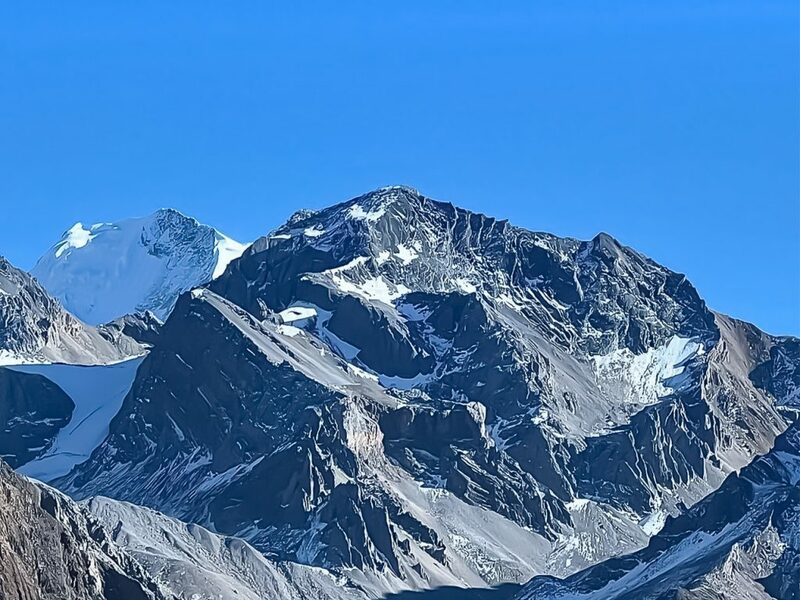
Mount Kailash rises 6,638 metres above sea level in the remote Tibet Autonomous Region of China. This near-perfectly pyramidal peak has never been climbed — not because it is technically impossible, but because it is considered too sacred. Hindus, Buddhists, Jains, and Bön followers all regard it as the most holy place on Earth. The Chinese government maintains a firm ban on any summit attempt out of respect for billions of believers worldwide.
The mountain's four faces align with the four cardinal directions. Its south face displays a natural vertical and horizontal fissure that resembles a swastika — an ancient symbol of auspiciousness across Asian cultures. No other peak on Earth combines such striking geometry with such overwhelming spiritual meaning.
The Four Sacred Rivers
Four of Asia's greatest rivers originate near Mount Kailash — the Indus, Brahmaputra, Karnali, and Sutlej. They flow outward in four directions, nourishing billions of people across South and Central Asia. Ancient Hindu scriptures described this thousands of years before modern geography confirmed it, calling Kailash the navel of the world and the source of all earthly waters.
Religious Significance
Hinduism: Kailash is the abode of Lord Shiva and Parvati. Bathing in nearby Lake Mansarovar is said to cleanse sins of a hundred lifetimes.
Buddhism: Kailash represents Mount Meru, the centre of the universe. One circumambulation erases the sins of one lifetime; 108 bring full liberation.
Jainism: The mountain is revered as Astapada, where the first Tirthankara Rishabhadeva attained moksha.
Bön: Tibet's indigenous faith considers Kailash the seat of all spiritual power in the universe.
Kailash Mansarovar Yatra
The sacred Kailash Mansarovar Yatra is one of the world's most sacred and demanding pilgrimages. Pilgrims journey through extreme high-altitude terrain to circumambulate Mount Kailash and bathe in Lake Mansarovar. It is available only between May and September each year.
Best Time to Visit
May to September is the only viable season. June to August offers the most stable weather. The Saga Dawa festival (full moon, May or June) is the most auspicious time, drawing thousands of Tibetan Buddhist pilgrims to the mountain.
Tips for Pilgrims
- Book permits and tours at least six months in advance
- Spend acclimatisation days in Lhasa or Kathmandu before proceedingCarry warm layers — temperatures drop sharply at night even in summer
- Consult a doctor about altitude sickness medication (Diamox)
- Travel with a licensed, experienced agency that handles all Tibet permits
Mount Kailash is unlike anywhere else on Earth. It demands effort, preparation, and humility. In return, it offers something that very few places can — a genuine encounter with the sacred, with silence, and with yourself.

Advertisement

